Crafted by Nature, Honed by Hands
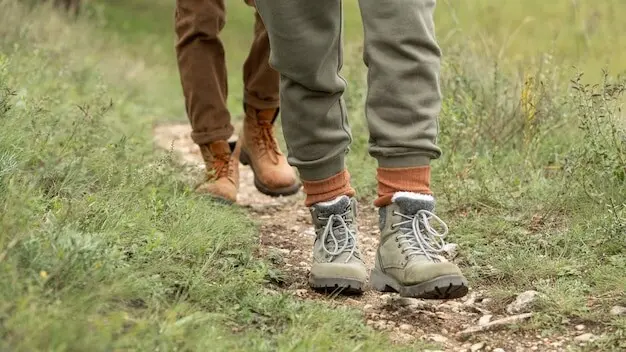
Today we explore “From Forest and Flock to Finished Goods: Sustainable Materials Shaping Regional Craft,” celebrating how responsibly gathered wood, wool, and plant fibers become enduring objects with soul. Expect practical insights, heartfelt stories, and field-tested ideas that respect landscapes and livelihoods. Wander from coppiced groves to foot-powered looms, then back to your own home with guidance to choose, care for, and cherish pieces that carry place-based identity and long, meaningful lives. Join the conversation by sharing your questions, experiences, and favorite makers shaping this regenerative future together.

Stewarded Woodlands

Selective felling, coppicing, and careful extraction minimize disturbance while ensuring continuous canopy and habitat. Certifications like FSC and PEFC help, yet relationships with foresters and mills reveal true nuance: species diversity, soil health, and local jobs. Many artisans cherish storm-fallen logs, salvaged beams, and pruned limbs, shaping utensils and stools from offcuts that others discard. In one workshop, cedar remnants became dozens of spatulas, each bearing the tree’s scent, reducing waste while preserving a tangible memory of the grove.

Regenerative Herds

Well-managed flocks turn sunlight and grass into resilient fibers while building soil. Rotational grazing spreads impact, protects waterways, and can increase carbon sequestration. Responsible Wool Standard and mulesing-free commitments matter, yet so do shearing calendars aligned with animal comfort and regional climate. When wool travels short distances to small scouring houses and spinneries, lanolin’s gentle sheen and local character remain. Wearers feel not only warmth but seasons: wind on open hills, spring shearing songs, and quiet barns filled with patient breathing.

Techniques That Respect the Source

Materials speak, and sensitive technique listens. Low-energy processes, right-sized tools, and patient timing keep natural character intact. Greenwood yields to sharp edges without aggressive kilns. Wool felts when handled warmly, without over-chemistry. Plant fibers relax and strengthen through respectful tension and careful humidity. Appropriate technology complements, rather than replaces, skilled hands. This is not nostalgia; it is optimization shaped by ecology. Each decision—how to plane, scour, dye, or sand—honors finite resources, amplifies durability, and invites users to feel texture rather than overlook it.

01

Woodworked with Care

Greenwood carving with a drawknife and shavehorse follows fibers instead of fighting them, reducing tear-out and sanding dust. Air-drying under calm airflow preserves color and limits energy demand. Hand-planed surfaces close pores, accepting natural oils and waxes that invite touch and easy maintenance. Shellac, linseed, and citrus-based finishes highlight grain without forming brittle films. The result is not rustic for its own sake, but quietly precise, tuned to the tree’s history and movement so joints breathe yet endure decades of daily use.

02

Textile Alchemy, Gently Done

Drop spindles and foot-powered looms turn twist and tension into balanced yarns and resilient cloth, all with body-aware pacing. Natural dyes—indigo, madder, weld, walnut—yield living palettes that deepen over time. Low-tox mordants and careful wastewater management protect soil biology, often returning nutrient-rich water to dye gardens. Felting relies on rhythm and warmth more than chemistry. The finished fabric remembers hands and seasons, welcoming repairs, shaping to its owner, and breathing with quiet confidence long after fast-fashion stitches have failed.

03

Digital Assists, Human Judgment

CNC roughing and laser nesting can reduce waste, especially in irregular stock, while preserving time for hand-tuned edges and tactile finishes. Makers map toolpaths to follow grain, even scanning crooked branches to honor their natural arcs. In textiles, digital patterning trims offcuts without flattening creativity. Yet the final decisions—where a curve softens, how a hem drapes, when a surface feels right—remain embodied knowledge. Technology becomes a respectful partner, freeing attention for integrity, proportion, and the quiet details users truly feel.


Tracing Every Thread and Grain

Transparency builds trust and improves decisions. Knowing which hillside the sheep grazed, which stand the log came from, and which mill finished the yarn transforms shopping into stewardship. Certifications offer shared language, while QR tags, batch stamps, and maker notes add human texture. Life Cycle Assessment frames footprints, but context matters: water scarcity, biodiversity, and transportation modes shift outcomes. When stories are specific, accountability grows, counterfeits fade, and buyers join makers in a practical, hopeful practice of caring for place.

Designing for Generations

Longevity is designed, not wished into being. Strong joinery, generous seam allowances, and finishes that welcome renewal all matter. Pieces should breathe, flex, and invite upkeep rather than crumble with the first scuff. Standardized parts ease replacement; reversible assemblies honor curiosity and future repairs. Every decision asks, who maintains this after ten winters, and how? When users feel confident mending and refinishing, objects gain stories, patina, and heirs. The most sustainable piece is the one cherished, serviced, and kept in use.

Stories From Workshops and Wildlands

Narratives stitch values into memory. A river’s slow bend shapes willow that bends without breaking. A hillside wind paints crimp into wool that warms without weight. Urban trees, once shade and birdsong, become tables where families gather. Makers live inside these transitions, learning patience from seasons and humility from materials that refuse to hurry. When we carry these stories home, objects stop being anonymous. They become companions that recall frost, flood, song, laughter, and the many hands guiding them into our everyday rituals.

Sharing Value, Building Belonging

Sustainable making thrives when economics align with ecology and dignity. Clear pricing shows time for grazing, drying, weaving, and finishing—plus rent, insurance, tools, and fair wages. Co-ops spread risk and equipment access. Community forests, dye gardens, and tool libraries invite participation. Buyers shape this ecosystem by choosing thoughtfully, caring well, and celebrating repairs. Conversation matters: comments, questions, and stories reveal needs, correct mistakes, and spark collaborations. Together we create a market that rewards integrity and welcomes every curious hand.
Sanokentofaripalo
Privacy Overview

This website uses cookies so that we can provide you with the best user experience possible. Cookie information is stored in your browser and performs functions such as recognising you when you return to our website and helping our team to understand which sections of the website you find most interesting and useful.